




Charleston’s sewer system runs beneath a peninsula that sits barely above the tide line in places. The historic district was built centuries before anyone measured sea level rise, and Charleston Water System now manages a network fighting saltwater intrusion from two directions at once.
For engineers and contractors handling sewer rehabilitation across the Charleston peninsula, inflow and infiltration (I&I) has moved from a maintenance line item to a planning priority. Recent king tide flooding events and the city’s ongoing Church Creek drainage improvements have made clear how much groundwater a saturated peninsula can push into an aging collection system during a single high tide cycle.
A Peninsula Fighting Water From Two Directions
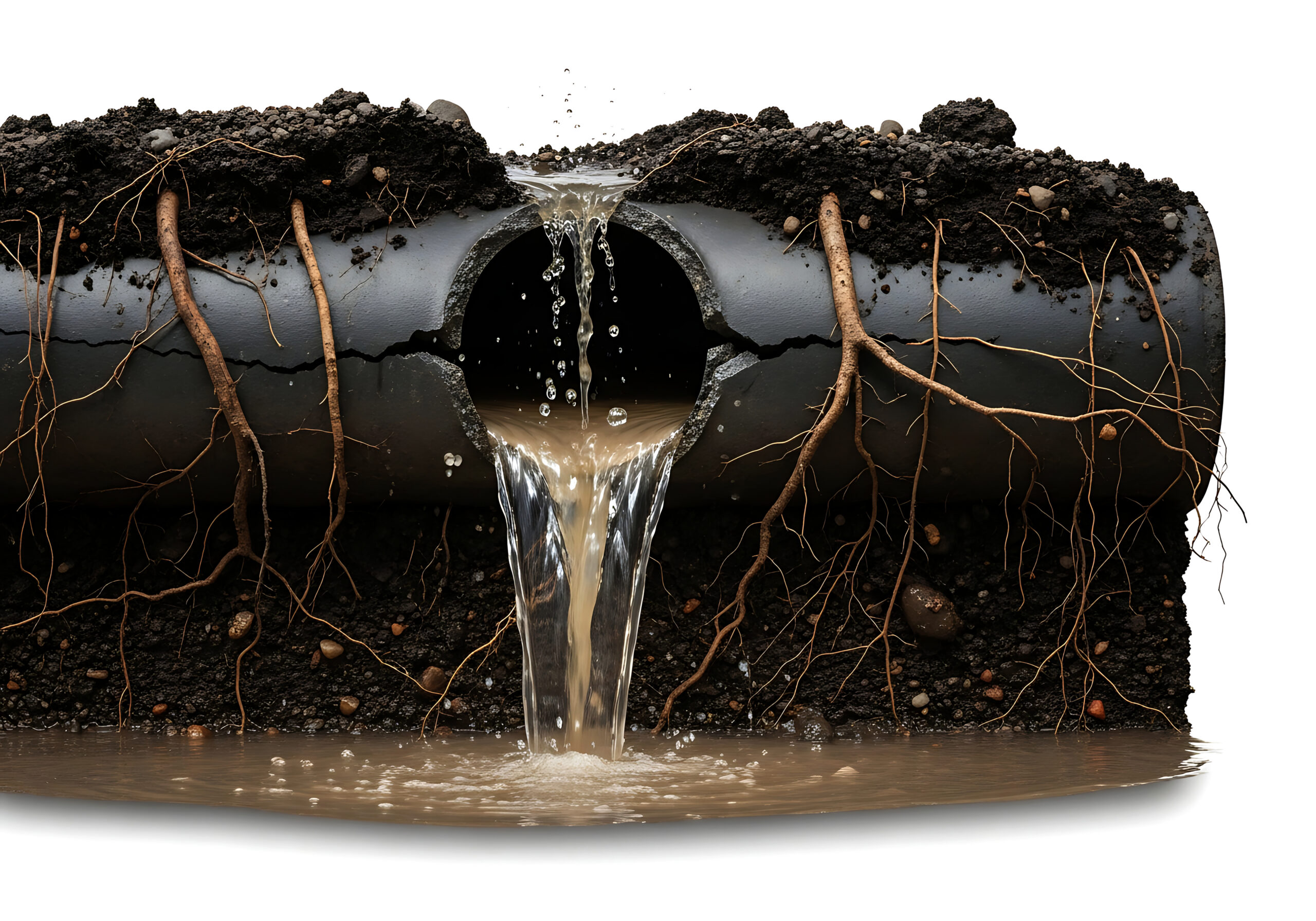
Cracked or broken pipes, leaking pipe joints, and deteriorated manhole walls and joints all give groundwater a way into the sanitary sewer system. Sewer inflow, meanwhile, comes straight through roof drains, yard drains, and storm connections wired into the line.
On a peninsula surrounded by rising water, this isn’t a storm-day problem. Charleston’s shallow water table means groundwater infiltration happens on a normal Tuesday when the tide comes in, and a wastewater collection system already carrying excess flow has nowhere to send the extra volume.
Why Peninsula Soil Complicates the Fix
Charleston contractors rely on cured-in-place pipe (CIPP) to renew a deteriorated sewer main beneath narrow historic streets in neighborhoods like the French Quarter and South of Broad, where excavation would tear through centuries-old infrastructure and landscaping. The trunk line usually comes through that process structurally sound.
What surrounds it tells a different story. Charleston’s peninsula sits on soft, saturated soil that shifts constantly with tidal pull, so a sewer main lined but infiltration persists is a pattern crews run into often once they check the laterals and connections tied into older sections of the network.
Common infiltration sources across the Charleston peninsula include:
- Deteriorated sewer laterals beneath historic South of Broad and French Quarter properties
- Failed main-to-lateral connections stressed by a shallow, saturated water table
- Cracked host pipe near marsh-edge and creek-adjacent corridors
- Manhole joint failures allowing groundwater intrusion during king tide events
- Root intrusion in sewer pipes beneath Charleston’s mature live oak canopy
Reading a Tide-Driven Water Table
A single inspection at low tide can miss what’s actually happening once the water rises. CCTV inspection and flow monitoring for I&I, layered with smoke testing and flow monitoring for source identification, is what confirms whether the leak sits at the main, the lateral, the connection, or the structure.
Once the source is confirmed, the rehabilitation plan should match it: mainline CIPP for structural trunk-line deterioration, cured-in-place pipe lateral lining for a compromised service line, main-to-lateral connection rehabilitation where saturated soil has separated a joint, manhole rehabilitation for a structure cracked by chronic tidal saturation, and injection grouting for a small, active, localized leak.
Why This Matters for Municipal Sewer Budgets
The cost of pumping and treating unwanted groundwater rises every year Charleston’s sea level continues its documented upward trend, and NOAA tide gauge data for the harbor shows king tide flooding days becoming more frequent, not less. Sewer overflows during heavy rain carry real regulatory consequences, and excess flow at pump stations and treatment plants strains a system already managing stormwater and sanitary flows on tight margins.
Wastewater utility capacity management on the peninsula depends on treating the network as one connected system, not a series of standalone fixes. Specifying CIPP for municipal sewer projects addresses the mainline, but rehabilitating public and private sewer laterals, connections, and manholes alongside it is what actually reduces wet-weather flows in a city this exposed to rising tidal water.
Charleston’s relationship with the tide isn’t changing anytime soon. An I&I reduction program for municipalities here has to account for water pushing up from the peninsula’s soil, not just water falling from the sky.
Find a WRT-certified installer serving the Charleston peninsula to assess your collection system’s full scope of I&I sources.